
EPISODE
71
The 3 Big Affiliate Marketing Mistakes Ecommerce Brands Make (And How to Fix Them) With Greg Rollet
with
Greg Rollett, Head of Growth at Grommet
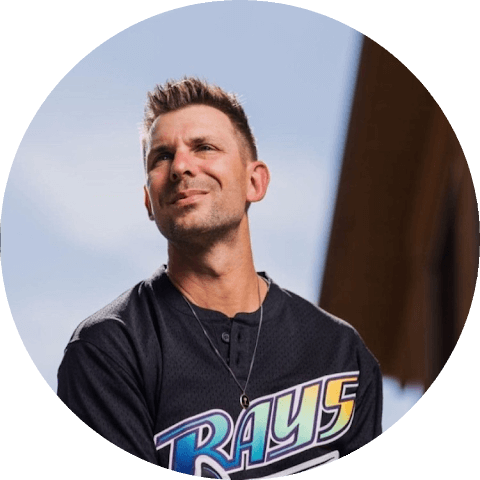

Greg Rollett is the Head of Growth at Grommet, a product discovery platform that helps makers, inventors, and ecommerce brands showcase new and unique products to millions of shoppers. As an Emmy Award-winning producer, Greg has helped Grommet launch over 2,000 products in the past two years to a customer base of more than 2.5 million shoppers. Beyond his role in driving Grommet’s growth, he focuses on helping ecommerce brands with actionable strategies, particularly in partnership and affiliate marketing.


Here’s a glimpse of what you’ll learn:
- [2:12] Greg Rollett explains his definition of partnership marketing in ecommerce
- [3:37] Common mistakes brands make when launching affiliate programs
- [5:19] Why misaligned incentives and low affiliate payouts limit growth
- [6:18] Equipping affiliates with assets, products, and tools to drive sales
- [8:26] How to determine affiliate payouts using allowable customer acquisition cost
- [14:37] Building and scaling affiliate partnerships through outreach and relationships
In this episode…
Affiliate marketing is often treated like a side project by ecommerce brands — an affiliate link in the footer and a hope that sales will magically appear. But while many companies invest heavily in paid ads, they overlook one of the most powerful performance-based growth channels available. Why do so many affiliate and partner programs fail to gain traction?
Greg Rollet’s answer starts with a mindset shift: treat partnerships like a real marketing channel. As a growth strategist specializing in affiliate and partnership marketing, he explains that many brands make three critical mistakes: lack of focus, weak incentives, and poor support for partners. Brands often offer commissions that are too low to motivate creators and publishers, even though they spend far more acquiring customers through paid ads. Greg also emphasizes equipping affiliates with the tools they need to succeed, such as product samples, creative assets, landing pages, and ready-to-use marketing copy. When brands align incentives and make it easy for partners to promote their products, affiliate programs can become a scalable and high-impact revenue channel.
In this episode of Minds of Ecommerce, Raphael Paulin-Daigle talks with Greg Rollett, Head of Growth at Grommet, to discuss the mistakes brands make with affiliate and partner programs. They explore why many affiliate programs fail, how to structure payouts using allowable CPA, and how brands can build strong affiliate relationships through proactive outreach and partnerships.
Resources mentioned in this episode:
- Raphael Paulin-Daigle: LinkedIn | X
- SplitBase
- Grommet
- Greg Rollet: LinkedIn | Instagram | Facebook
- Affiliate Summit
- Social Snowball
- Shopify
Quotable Moments:
- “If you want someone else to do something for you, make it easy. How do you make it easy for them to say yes?”
- “Just because you throw up an affiliate link like there's no affiliate who's waking up this morning being like, man, I hope that I find 20 more partnerships.”
- “There’s no replacement in affiliate for face-to-face time.”
- “If you want serious traffic from affiliates, you really need to get into that 30 to 50%.”
- “If you can get other people to do your marketing for you, and you only pay after they've generated a sale, that's a pretty good marketing partner.”
Action Steps:
- Treat affiliate marketing like a core growth channel: Giving it a dedicated strategy, resources, and metrics allows the program to scale consistently.
- Align affiliate payouts with your allowable CPA: Offering meaningful commissions motivates partners to actively promote your product and drive sales.
- Equip affiliates with marketing assets and product samples: Providing copy, images, and content resources makes it easier for partners to promote effectively.
- Proactively recruit affiliates in your niche: Reaching out through social media and industry events builds a pipeline of partners who can promote your brand.
- Turn customers into ambassadors and affiliates: Encouraging happy buyers to share and promote your product expands reach through trusted recommendations.
Sponsor for this episode…
This episode is brought to you by SplitBase.
At SplitBase, we design, test, and manage high-converting landing pages and on-site experiences for fashion, luxury, and lifestyle ecommerce brands. Our optimization program pinpoints exactly where your store is losing money most, and then we help you fix that.
The result? Increased conversions and profits for our clients.
With our team of conversion optimization specialists, performance marketers, and conversion-focused designers, we've got your back when it comes to testing and optimization.
Request a proposal on SplitBase.com today, and learn how we can help you get the most out of your marketing spend.
You can find us on LinkedIn, Twitter, and Facebook. Don’t miss out on our exclusive podcasts at Minds of Ecommerce.
Powered by Rise25 Podcast Production Company
Episode Transcript
Intro: 00:06
Welcome to the Minds of Ecommerce podcast, where you'll learn one key strategy that made leading ecommerce companies grow exponentially. We cut the bullshit and keep the meat in a 15-minute episode. Founders and executives take us through a deep dive of a strategy, so you get to learn and grow your online sales. In the last episode, we heard from Jay Steinfeld, founder and CEO of Blinds.com, the world's largest online retailer of window coverings. Now, today, get ready.
I'm chatting with Greg Rollett, head of growth at Grommet, a product discovery platform that helps makers, inventors and entrepreneurs showcase new and unique products to millions of shoppers. And today, we'll be talking about a very interesting topic, which is the mistakes that brands are making with affiliate and partner programs that just stops them from thriving. I'm your host, Raphael Paulin-Daigle, and I'm the founder of SplitBase. This is Minds of Ecommerce. Now, this episode is brought to you by SplitBase.
At SplitBase. We help leading eight and nine figure brands such as Dr. Squatch, Hyperice, and Amika grow through customer focused conversion optimization programs. Our programs pinpoint exactly where your store is losing money most, and then, well, we help you fix it. So the money, the result you get increased conversions, higher AOV and well, more money. So if you want to learn how we can help you grow conversions, go to splitbase.com today to learn how we can help you get the most out of your marketing spend.
All right, Greg, welcome to the show. Thank you so much for being here.
Raphael Paulin-Daigle: 01:48
Thank you so much for having me, man. This is going to be a lot of fun. And I love talking affiliate stuff, partner stuff and ecommerce. So it'll be a good chat this morning.
Greg Rollett: 01:55
Awesome. So tell me more now. Partnership marketing. Affiliate marketing I think there are so many definitions and ways to approach this, just for context, for our audience. In your case, what is your definition of partnership marketing?
When it comes to ecommerce.
Raphael Paulin-Daigle: 02:12
I think it's a great question because a partnership means that there's two parties and it should be a win for both parties. And so, you know, when I think about whether it's affiliate marketing partner, marketing ambassador programs, you know, just trying to get your customers to refer more customers, it's got to be a win for both parties. That's a partnership is when, you know, if I'm a brand, I'm getting new customers. But the person who sent me customers is also getting a win. If you think about like Facebook ads, Facebook ads is a great partner.
Meta ads is a great partner because meta makes a bunch of money from you and you get new customers. And so when we think about affiliate and partnerships, we should be looking at it from the same angle as how can I make it a win win for everyone involved? And that's how I see partner Commerce is thinking about it of how can I pay the least to get the most? It's how can I make it a win win for everyone so that everybody grows?
Greg Rollett: 03:05
So tell me more about, you know, obviously the mistakes that are happening. I think this is probably the most exciting place to start. There's a lot of brands that approach this in many different ways. What I would say, let's start with the mistakes and then let's then go with the lessons. If a brand wanted to, you know, really leverage partner commerce as a, you know, major way to grow their brand, you know, how should they start and go about it.
So I'd love to end with that. But first let's start maybe with some of the biggest mistakes that you see in the space.
Raphael Paulin-Daigle: 03:37
I think the first one is that they just slap up an affiliate link at the bottom of their, you know, their their page or their Shopify store. And they're like, we have an affiliate program or an ambassador program or whatever it is. And if it's, you know, Field of Dreams, if you build it, they will come and people won't come. Right? And so you have to treat it like any other channel, like paid or organic or, you know, whatever it is that you're putting a focus on, you got to focus on it.
If you don't focus on it, it can't grow. If you don't focus on it, you know, you don't. You got to put some metrics behind it and and be tracking it and all those good things. So I think mistake number one is just assuming that. All right.
Let's just create an ambassador program an affiliate program, whatever that it is. Let's slap a link at the bottom. Maybe in the thank you email after a purchase, we'll send an email and say, hey, you know, do you want to send us more people like, here's how to do it, but it's not really a focused part of the business. So I think that is mistake number one. Mistake number two is payouts.
I think almost every single brand on the face of the planet gets payouts wrong, and they pay out not enough to make it exciting for somebody to go and promote your product. You're definitely not going to get, you know, people that have cold traffic or publishers or influencers to go and promote your product. If you're giving them 10%, right, 10% of a $30 widget is three bucks. So you want me to make a video about your product, put it out to all of my followers, and you're going to give me $3 a sale or $5 a sale you have to align the incentives with the person. Now, at the same time, you're going to go out on, let's say, meta, and you're going to spend 50% to 100% of the cost, the retail cost of your product, to acquire that customer.
So your $30 widget, you might give meta $20 to acquire that customer, but to a partner you're only going to give them 10%. And so the incentive.
Greg Rollett: 05:17
That’s a good point.
Raphael Paulin-Daigle: 05:19
Yeah. So we talked about incentives aligning like what is partner marketing. Well it's where both partners win. Well you're willing to give Zuckerberg 20 bucks but you're only willing to give an affiliate $3. So there's no alignment there with, you know, the growth and what you're trying to do and how you're trying to get partners, how you're trying to excite partners.
Like, is anyone excited to get $3 a sale or $5 a sale? Like, not really. Right.
Greg Rollett: 05:43
But that is such I sorry, I just want to stop you right there. I think like that is such a good framing. Right. Like comparing like how much are you giving Zuckerberg versus how much are you giving your partners. You know, obviously you're serious about Facebook and meta.
And you really want to, you know, leverage that to grow the business. And you're going to spend what it what you need to spend for it to work. And then, you know, when it comes to something like affiliates, right? If you're not ready to spend what you need to spend for it to work, how could you expect it to work? Such a such a good framing?
Raphael Paulin-Daigle: 06:18
Yeah. And it doesn't mean they need to be equal, right? But they need to be somewhat like if you really want this channel to work well, you have to put in what it takes to get it to work, which is then the third point, the third piece of kind of the mistake they make is they don't equip their affiliates with the tools that they need in order to go out there and generate those sales. So maybe they're not willing to send product. Well, how is that affiliate or partner or influencer going to go going to create content, right.
They need product two. They need assets. You know, do do they have things like your logo. Do they have high-res images. Do they have B-roll that they can be inserting above and beyond what they're doing?
Do they have landing pages? Do they have advertorials? Do they have ways to create custom content, and are you helping them and equipping them with all of that stuff? Most are. Again, they're just putting the link at the bottom.
You know, they've got their, you know, whatever, whatever platform they're using and they're just like, hey, just sign up for our program. And we created three banner ads that no one uses banner ads anymore. And like go ahead and promote our, our program. And so those are the three biggest things is like it's not Field of Dreams. If you build it they will come.
Two is you got to get the incentives aligned. And three is you have to make it as easy as possible. We work with a ton of like email publishers and, you know, they promote a lot of our products on Gromit. I literally hand them the copy in HTML with all the links, with all of the images, with all the. So their editor just has to go cool, copy, paste, send versus someone else who's like, hey, will you promote our product?
And they're like, sure, send me stuff. And they're like, well, I want you to make the copy and I want you to create the images, and I want you to like, like if you want someone else to do something for you, make it easy. How do you make it easy for them to say yes. And I don't think most brands think that way. When it comes to affiliate.
Greg Rollett: 07:55
I'd love to go back to the payout section. Right. I think when we think about payouts, I think a lot of brands like you said are potentially underpaying or they're just not making it exciting, but then they also don't know better or they don't know what they should pay. And I'm sure like every product has different margin, every industry has different expectations. So how does a brand founder or, you know, head of marketing or ecommerce goes about finding out what they should pay?
Raphael Paulin-Daigle: 08:26
Yeah. So the easy answer is like, do you know your allowable cost per acquisition? And I say that and like most brands are going to go no, right. Some brands will and some brands will know that because they're running meta ads, Google ads, they're running TikTok ads, like whatever that it is, and they'll have an allowable CPA. Well, I would start there and maybe it's also tiered.
Maybe you start like maybe your allowable CPA. Let's just use easy math because it's Friday morning as we're recording this and math isn't my, my, my area of expertise, but let's say it's, you know, $20 is your allowable CPA. Well, why don't you start with $10 or $12 and then once they hit 15, 20 sales, 30 sales, we'll give them an incentive. Bump it up, bump it to 15. If you know your allowable CPA is 20 bucks, well, why wouldn't you start here and tear them up?
And then why wouldn't you reward the people who are sending you the most customers? And these are usually really good customers, because if I'm an influencer and I'm going on Instagram and I'm like, hey, I got this new canned water, it's amazing. I drink it every day after my workouts. You guys should go and check it out too. And this person has trust with their audience, and they're sending you customers who don't really need to be sold.
They're already sold. Like, why wouldn't you incentivize them more? So allowable CPA, I think is is the place to start. So, you know, if you are spending money somewhere else, well, what are you spending to acquire a customer and maybe drop it by a couple dollars. Right.
And really try to figure that out. But I can tell you just from experience and working with thousands and thousands of affiliates in our program, is that 10% doesn't cut it, 15% doesn't cut it. Like you really need to get into that 30 to 50% if you want serious Traffic from affiliates. If you just want to have a program where you know Rafael, you bought the product, you got it, you're excited about it, and you just want to tell your friends on on X about it. Cool.
Like that might work. And using a program like Social Snowball or something like that, they're great softwares. It'll work right. But it won't be a game changer for your business. It won't drive hundreds to thousands of sales every single month.
And I think that's what we're talking about is this is a really viable opportunity for a lot of brands. If you can get other people to do your marketing for you, and you only pay after they've generated a sale, that's a pretty good marketing partner, right? With meta, I got to give Zuckerberg my money whether I make a sale or not. And so with partnership, marketing and affiliate, I'm only paying that percentage after this other person has created a campaign, sent it out. They've spent their money, their time, their energy, their resources to try to drive sales to my business.
So that's kind of how I would look at it is, you know, you're getting and you're you're activating an entire marketing team that could be driving, you know, 6 to 7 figures worth of marketing spend for you that you don't have to pay for until after you've got a customer in your cart.
Greg Rollett: 11:00
Love it. I'm you know, obviously, one of the things that I'm taking away from this is, okay, well, you know, a lot of people are probably not putting the work they need to put in their affiliate programs for it to work. They're probably not putting the dollars either. But now if you do go ahead and you put that work, you put those dollars. You also need to make sure that you're working with the right affiliates, right, because you don't want to waste your time with just accepting anyone.
So how do you what are your thoughts on who should you accept as affiliates? Who should you enroll in your affiliate program? Just anyone that qualifies to couple criterias. Do you prefer going wide and large or, you know, niche with some bigger affiliates? What are your thoughts here?
Raphael Paulin-Daigle: 11:47
I think it's a great question. I think it's it starts with, do you want to have a direct affiliate program where they're signing up directly on your website, and you're controlling that or using like a third party, like an alien or a share sale, or, you know, using like a network where you're signing up to a program and almost they're doing the first line of vetting, and then you're still having affiliates apply. I think the application, no matter which route you choose, whether it's direct or using one of these platforms, is you want to have a good application where you are looking at some things, like, do you know, how are they going to promote, what's the channel? You know, is it email? Well then send me one of your newsletters.
Is it through social? Well I need to see your social handles. Like you should be looking at that. And really what you're just looking for is red flags, right. Like is this do I want my brand associated on this page?
The, the the cool thing about social today is that we never know what's going to work. Right. And so you might have, you know, 50 different creators creating content for you, influencers creating content for you. And you're like, man, that'll never work. And that's the one that pops.
Like it's always the same thing is true with ads, right? Like you. That's why creative is so important. But having all these different affiliates, different voices, talking about your products in different ways, I think is really important. But what are the filters that you want?
And then what are red flags like? All right. We never want an influencer who's also talking about cannabis or THC or is talking about, you know, we only want the right wing versus left wing or we don't want like, what are the red flags for you? And if they don't hit those red flags, let them in. And I think that's also where I was kind of talking about like the tiered system is like start everybody at 20%.
And then once they hit certain thresholds, you know, all right, now you're doing great. Now let's bump you. And those are also the people that might get one on one time. You might have a dedicated rep or you know, someone from your team who's going out there and saying, hey, Raphael, man, I saw you just drove like 30 sales, you know, last week. Like, what else can we do?
Can we send you more product? We've we're doing an activation in New York City next week. Do you want to do you want to come out there and like do some, you know like you want to help out those affiliates. But yeah, I think as long as they don't hit those red flags, you want as many as possible because you don't know what's going to hit. And it is a numbers game.
It's an 8020 kind of thing. If you have 100 affiliates in your program, 5 or 10 are going to be driving the majority of the sales, but you don't know who those 5 or 10 are until they start running campaigns.
Greg Rollett: 13:58
Yeah, that is that is gold. Very actionable. Thanks for sharing that. Now I'm curious, right, you've got this brand here, let's say that haven't really done much with affiliates. Where the hell do they start?
Like I think you've got some good pointers budget wise, you know, affiliate wise. But like, how do you start managing that? Like, would you recommend that those brands start working with an agency that they hire like an affiliate or partnership manager right away? Should they just start with a specific software? What's kind of the route there?
And obviously I know the answer is very dependent on the.
Raphael Paulin-Daigle: 14:35
Answers vary right.
Greg Rollett: 14:36
Size.
Raphael Paulin-Daigle: 14:37
Yeah. But if I was going to do it, you know, if you if you were hiring, let's say an agency to run your meta ads. Well, you know, wouldn't you do the same for this channel if you, if you believe that this channel is going to drive the same amount of revenue orders volume as another channel, well, you want to have resources and support. So that would either be an agency or do you want to just bring in a person in-house who, you know, has expertise in this? I always like handling that.
I would love to have somebody in-house that is handling partnerships, influencers, affiliates like all of that under under our roof so that we can, you know, be quick, be fast, be adaptable. And then what I would do is, you know, again, pick the program. Right. Are we going to do this direct on our platform, or are we going to use a third party software. And then the number then like again, you know, figuring out stuff we talked about earlier, payouts and all that.
Now we got to go. We have to proactively go after and get these people because it I've said this analogy like three, four times already. It's not Field of Dreams. Just because you throw up an affiliate link like there's no affiliate who's waking up this morning being like, man, I hope that I find 20 more partnerships. Like they're busy, they have things going on.
You have to go and attack these folks. And there's two places that I would start. One is social. I would be getting on social, and I would be in the DMs of every influencer affiliate publisher that is in your niche, that's covering your topic. You know, if you're in the golf space, you know, I'd be hitting up everybody who's talking about golf products, everybody who's talking about golf vacations, anyone who's creating golf skits, anyone who's creating, you know, vlogs or whatever it is in the golf niche.
And I'd be creating relationships with them. The second thing that I'd be doing is I'd be going to like, I'm it's a shameless plug. I have nothing to do with it. But like, I'm going to Affiliate Summit next week, right? Are you going to affiliate takeover?
Are you going to some of these events where boots on the ground, there's people who are in this industry who can make those connections and relationships for you, where there's going to be 20,000 affiliates in one place, in one roof, like that's that's where I would be. I'd be sending these people boots on the ground. Relationships in affiliate matter. Right? Like, if I can trust you if I know.
All right. Rafael's a cool dude. We spent 15, 20 minutes together getting coffee. He's awesome. I'm going to work with him.
Is a much deeper relationship than just a cold DM. Like cold DM still work, but having that face, there's no replacement in affiliate for face to face time. I've been in this industry for nearly 20 years now, and just the people that you know and the people that you meet, like you're going to change companies and you're going to go to somewhere else. And like the relationships that you have are, are so powerful. So if I'm starting, I'm picking a platform.
I am really getting tight on my offer. And then I am boots on the ground and I am hustling just like I would any other platform. I'm developing relationships through social, and then I'm developing relationships through live events, and that's how I'm building it out. The third piece of this is that I'm trying to turn every customer into an affiliate as well, using something like a Social Snowball, or there's tons of different softwares out there that will do that for you. And, you know, then every single sale that comes in like, hey, thanks for buying.
We have this, you know, ambassador program, referral program, like whatever you want to call it. If you just share this, you know, you'll get discounts and you'll you'll earn revenue, you know, from that. So those are the three places that I would go. And then once you get traction I would look for, you know, more of a higher tiered affiliate, either an affiliate network, something like ours, like what we do at Grommet and Giddyup or I would be, you know, looking at an agency that could really take this over and, you know, do really well. I mean, you know, top affiliates are generating thousands of sales every single day for top products, like that's ultimately where you want to get to.
But I think you got to get your feet wet first.
Greg Rollett: 17:53
Amazing. Greg, we've we've got more golden nuggets here that I could ever summarize, but if I try to summarize our last, you know, 17 minutes, I would say one, right. If you treat affiliates as a side gig, it will remain a side gig. But it definitely has the potential to be more if you do treat it as such. Budget wise, if you're underpaying your affiliates, there's no way you're competitive.
So you need to figure out how much you can pay, and you need to make your program attractive to affiliates. And exciting to them as well. And then third affiliates is all about relationships, right? It's the stronger your relationships are with your affiliates, the stronger you will be with with that program. So does that summarize it pretty well?
Raphael Paulin-Daigle: 18:49
I like that man. You did it. You did. You did great. I mean, I talk at a thousand miles an hour.
So, you know, to summarize that, I thought you did a really good job, I like it.
Greg Rollett: 18:56
Perfect. Well, now, Greg, this this was phenomenal. I'd love to know you shared so much good wisdom here. But if people want to learn more about you, they want to learn more about, you know, all this this affiliate and partnership stuff beyond these 20 minutes, where should they go? Where can they find out about you?
Raphael Paulin-Daigle: 19:16
Yeah. So we built Grommet to be really a first step for people to get into partner marketing. So we are essentially one of the largest product discovery marketplaces. We launched 2000 products over the last two years, and we have an in-house customer base of over 2.5 million shoppers. And so it's a great way to get your products onto a platform, put it in front of all these shoppers, and you only pay after we drive a sale to you.
It's all done through Shopify and Shopify app, and it's a really low risk way to get into partner marketing. And so I'd love for you guys to just check out thegrommet.com. Hey, if you're just looking for cool stuff, we've got some of the coolest and most unique products on the internet there. And then too, if you're a brand who or an ecommerce brand on Shopify who's like, you know what, I'd love to dip my toes in this and have someone really walk us through this entire process. Just hit that, you know, brand application or submit your product, whatever the button is on the page and you can learn more.
And then I'm just at Greg Rollett on all the socials, you know, creating tons of content and stuff there. So we'd love for you guys to drop a follow. And you know, I say this on almost every podcast I go to, but I think the biggest thank you of all of this would be to go to the Minds of Ecommerce podcast, whether it's on Spotify or Apple, and say like, yo, I listened to that episode and it was awesome because it helps Rafael, it helps the show, and it's the best. Thank you that you guys could give for, you know, these 20 minutes like, that was fire. Cool.
Leave a review. Leave a comment. It makes both of us feel good about, you know, what we do.
Greg Rollett: 20:35
I 100% second that. Thank you so much, Greg, for coming on the podcast. It was a pleasure having you on and have a wonderful rest of your day.
Raphael Paulin-Daigle: 20:44
Thanks, man.
Outro: 20:50
All right. Well, that's it for today's episode. And thank you so much for tuning in. Now, if you like what you've heard, and you don't want to miss any of the new episodes that are about to come out, make sure you subscribe to the podcast and well, bonus points if you also leave a review in the iTunes store or wherever you're listening to this. Now, if you're working on an ecommerce store that does over $1 million in revenue and you need help with conversion optimization or landing pages, well, I've got some good news because there's a pretty good chance we can help with that.
Go to splitbase.com to learn more or even to request a proposal. If you have any guest requests, questions or comments, tweet me at and I'll be super happy to hear from you. And again, thanks again for listening. This is Minds of Ecommerce.


.png)
.png)