

Ecommerce website redesigns that look better and sell more
Most redesigns are led by a designer and judged on looks. Ours are led by both a CRO strategist and design lead. We research your customers, keep what already converts and elevate your brand, then validate the big decisions before launch through A/B and usability testing.


Leading 8- & 9-Figure Ecommerce Brands that Trust SplitBase
“We just rebuilt our website with an agency. It looks great, but we didn’t see a conversion rate lift.”
Self-care brand, after an agency rebuild
“We had a completely different website build, then those guys screwed us on a few things. The conversion rate just tanked.”
DTC brand, 4.5% to 2.9% conversion rate
“I was expecting a pretty dramatic change. The performance is really similar. We’re back to square one.”
Pet brand, the week after launching a new custom site
Most redesigns look better. Few sell more.
The new site sails through design review and looks great. Then it launches, and the conversion rate drops. It usually comes down to three things:
Designed on taste. Layouts come from a mood board and the team’s favorite sites, not from what your customers need to see before they buy.
Rebuilt from scratch. The buy box, copy and offers that were converting get thrown out with the old theme.
Launched all at once. Everything changes on the same day, so nobody can tell what helped, what hurt or what to fix.
How we decide what goes into your new site
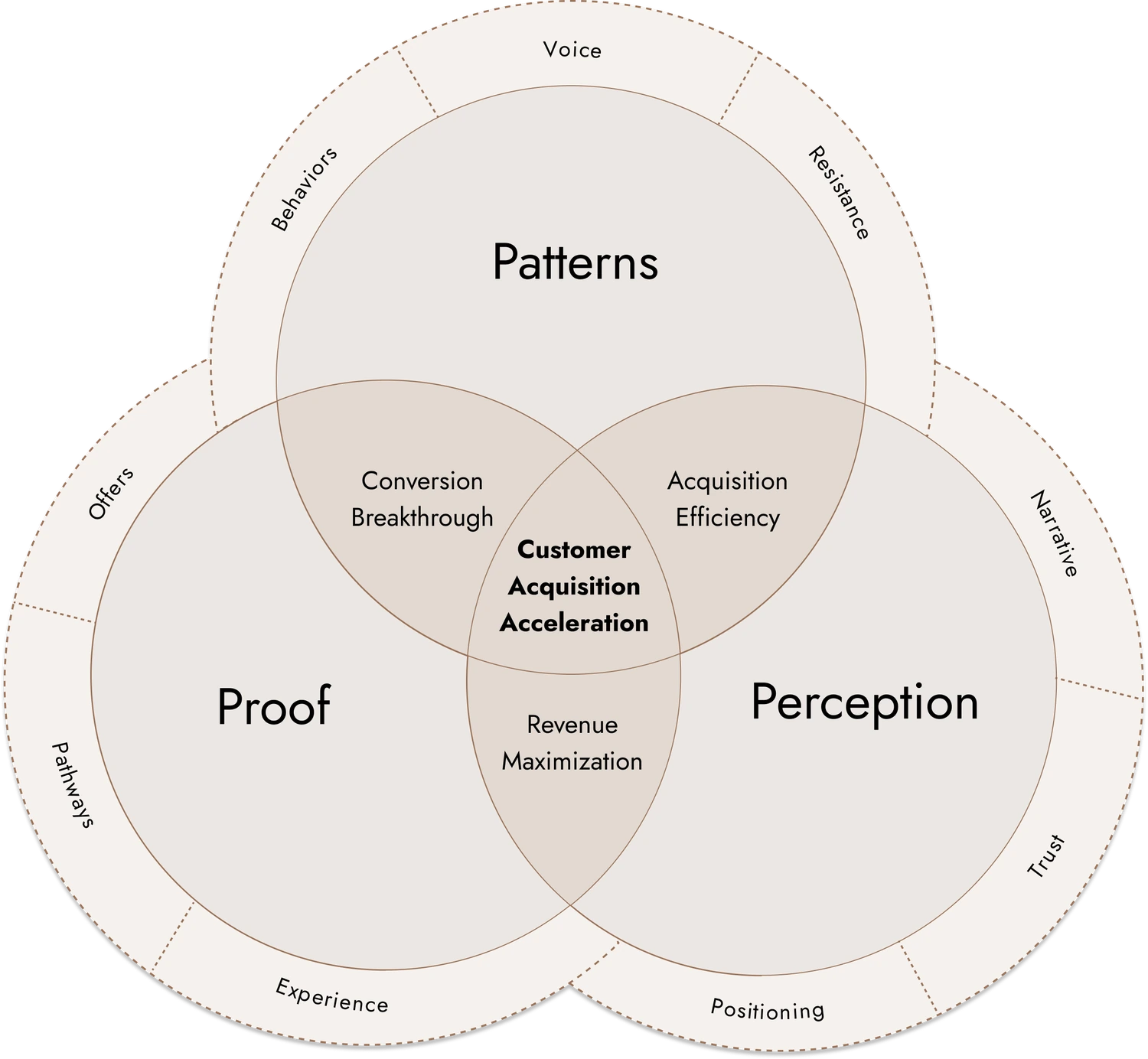
A redesign changes your whole site at once, and you can’t A/B test every change on its own. So every design decision needs evidence behind it. We use our 3Ps Method, the same Patterns, Perception and Proof process behind every SplitBase test.
Patterns
Before we design anything, we find out what already works on your current site, and why:
Behavioral patterns show where shoppers buy, stall and leave.
Voice patterns tell us what shoppers need to hear, in their own words.
Resistance patterns uncover what blocks the purchase, from slow pages to confusing choices.
Perception guides how the new design positions your brand against competitors. Proof validates the big decisions before launch wherever your timeline allows, and testing continues once the site is live.
Some of our recent data-driven redesign projects
From brands that didn’t want to compromise on aesthetics or performance.
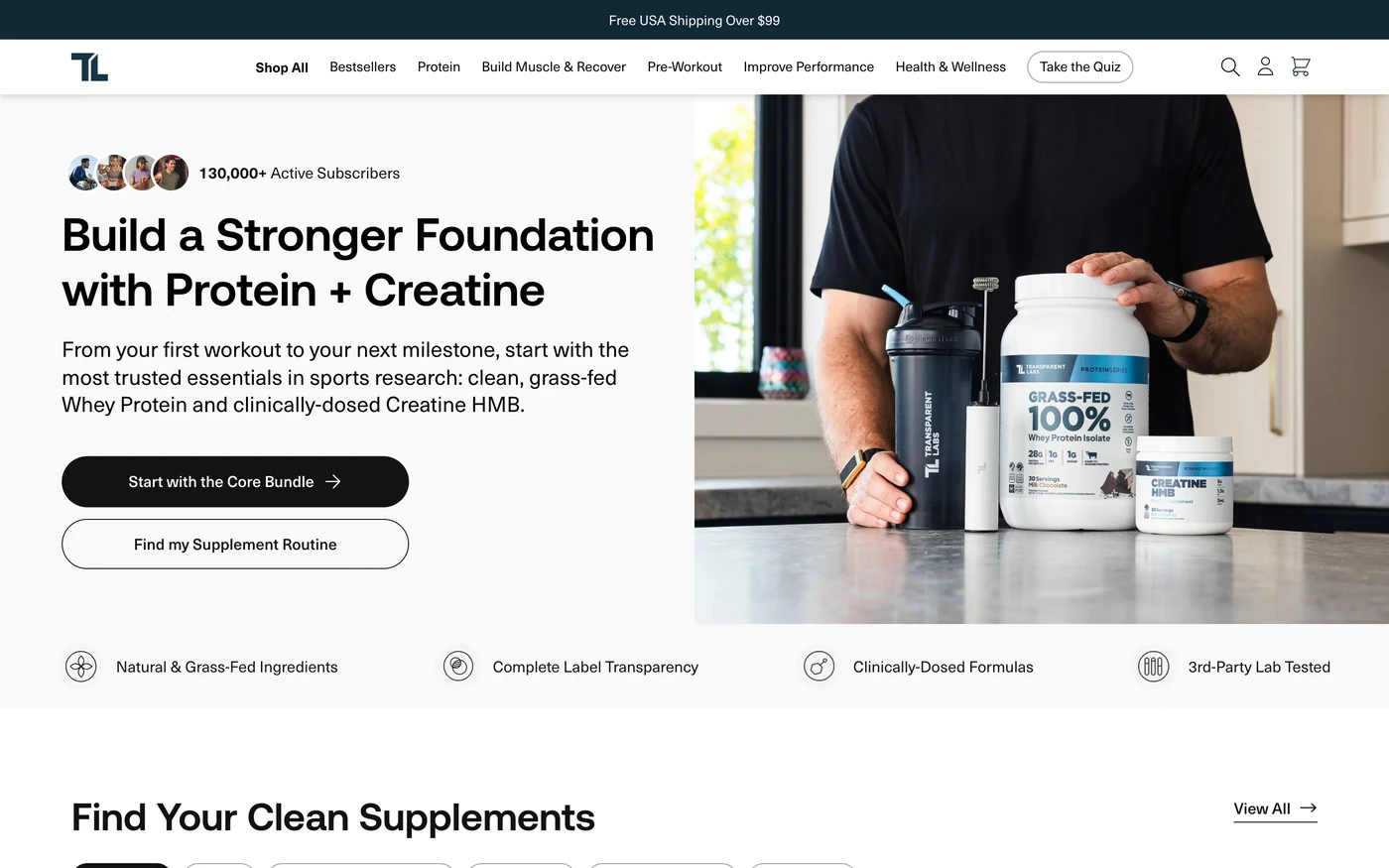
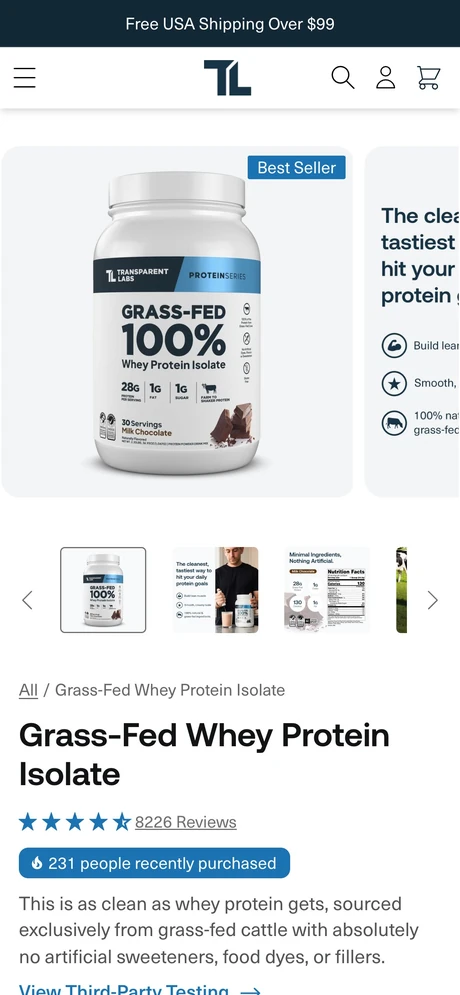

A year of CRO and a redesign built from test results
The site had grown in layers on an aging theme. We ran their CRO program first, then rebuilt the site on what the tests proved.

+73% subscription rate
A 40% faster site
A clean theme, years of app bloat removed
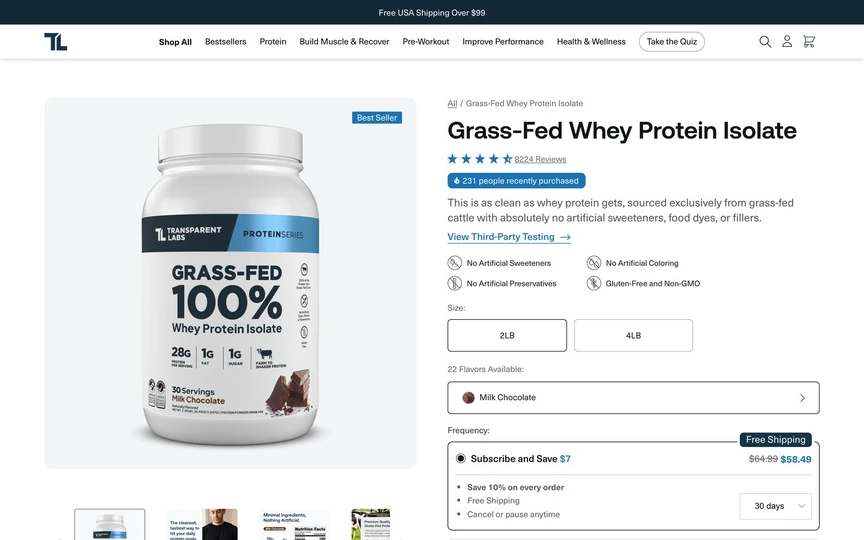
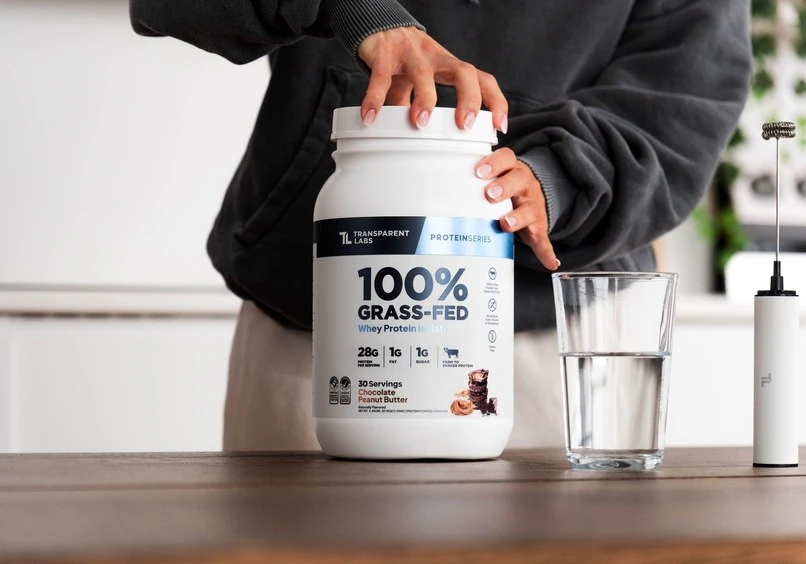
The subscription-first buy box that won a year of A/B tests has been deployed in a new PDP template.
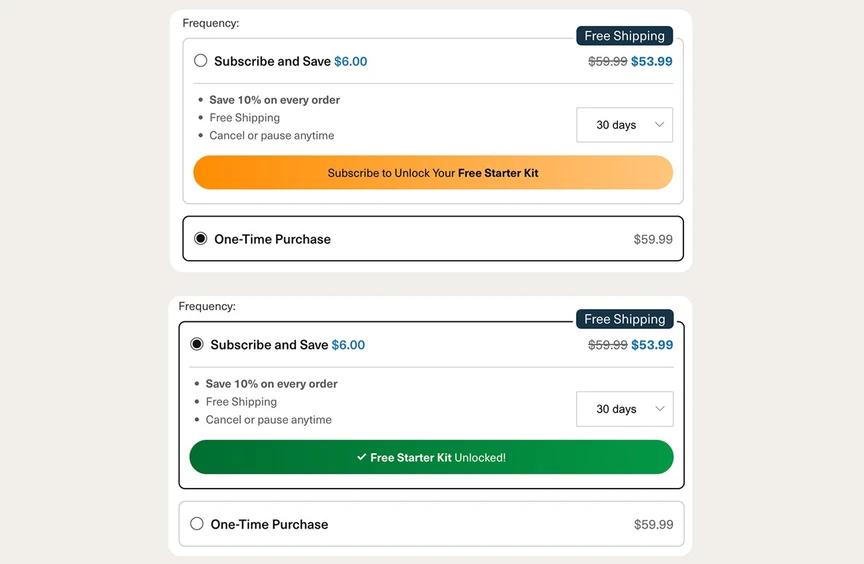
An interactive Starter Kit that unlocks the moment shoppers choose Subscribe, turning a pricing decision into a small win.
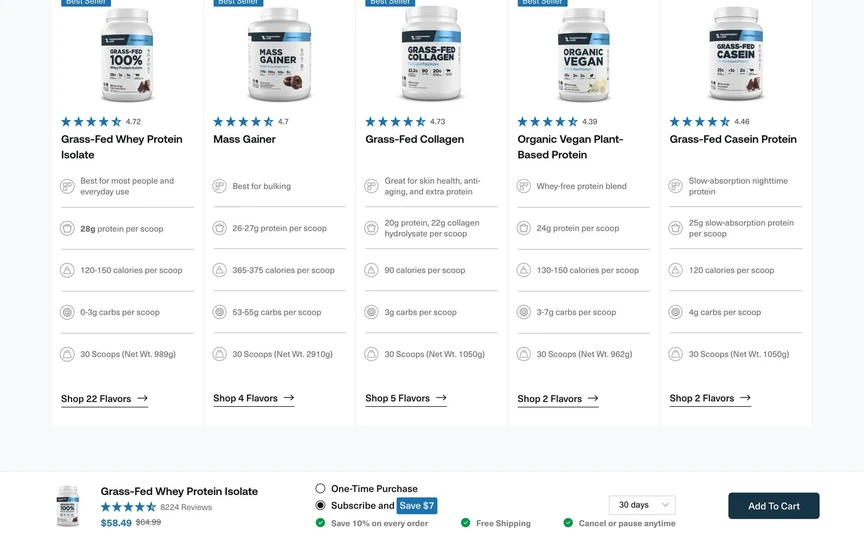
Product comparisons built and tested from customer feedback, so shoppers can see which protein fits their goal.

Joe Cornfield
CMO, Transparent Labs
“Improvements in subscription and overall site performance have allowed us to open up top of funnel budgets and invest more in growth.”
+73% subscription rate (22% to 38%+), +12% average conversion rate and a 40% faster site
Read the case study →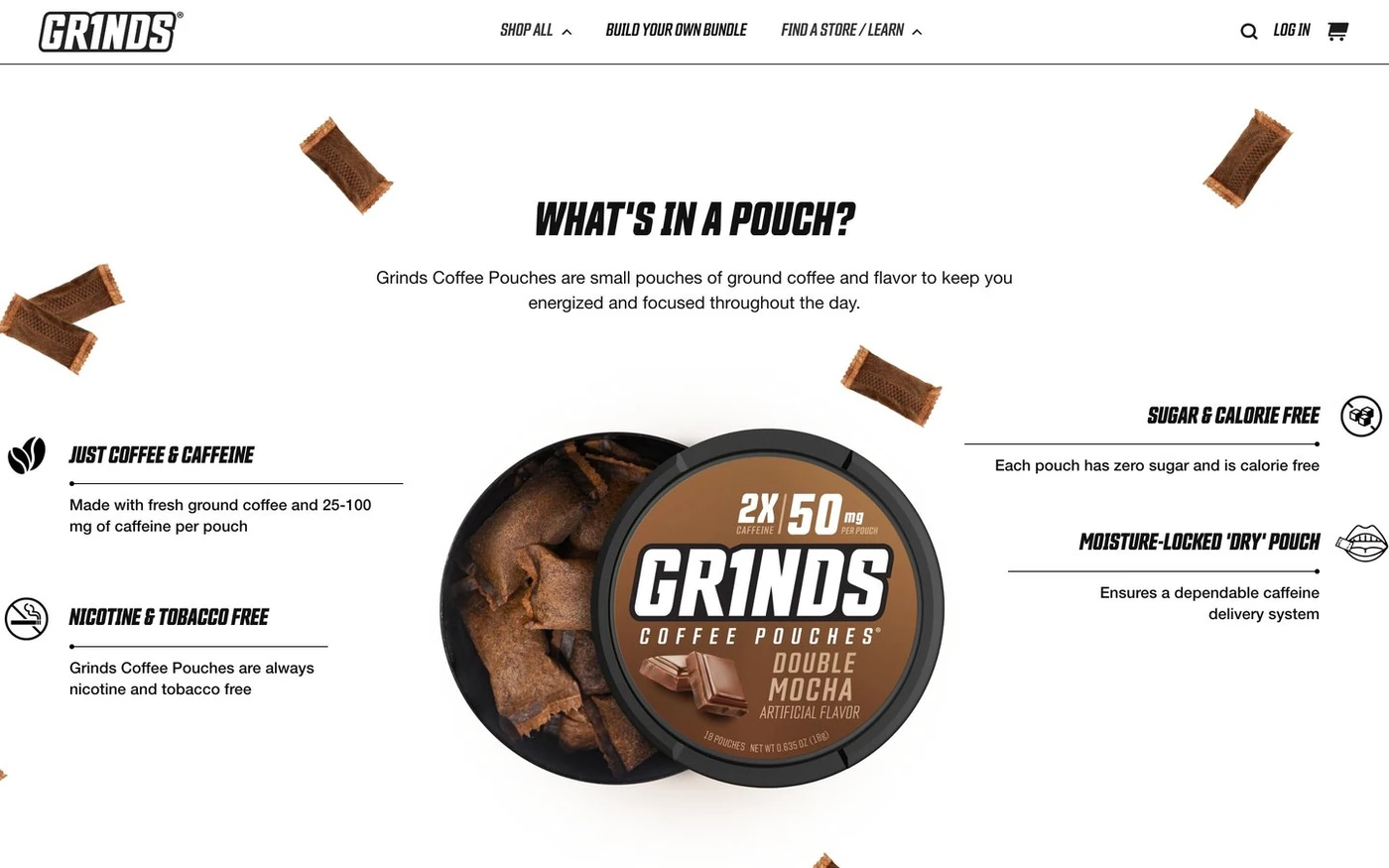

More flavors, clearer choices and bigger orders
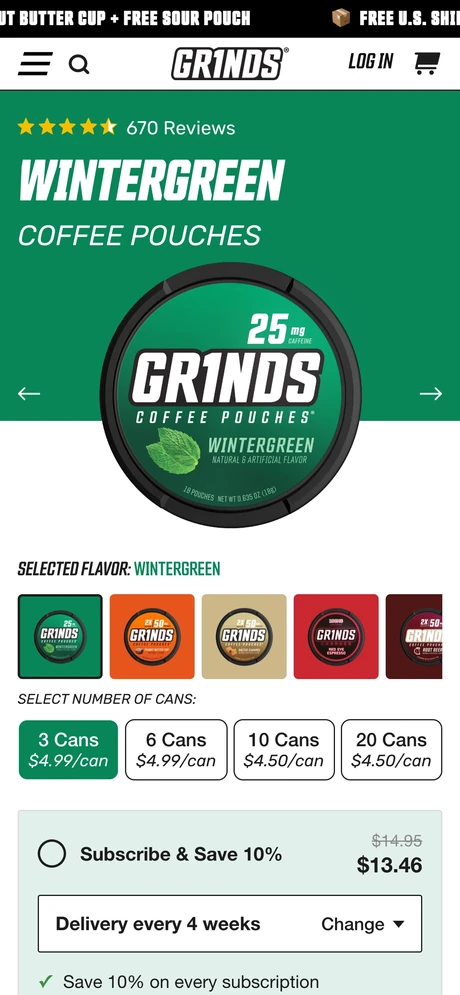
Grinds kept adding flavors and product lines, but the old site didn’t keep up. Shoppers couldn’t tell the products apart, and nothing nudged them toward bigger packs.
A pack-size and subscribe buy box
A bundle builder and cross-sells
Pages that finally match the brand
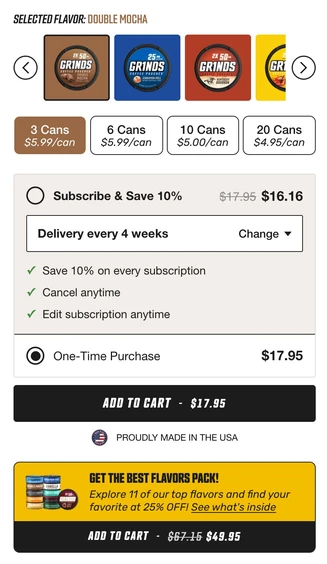
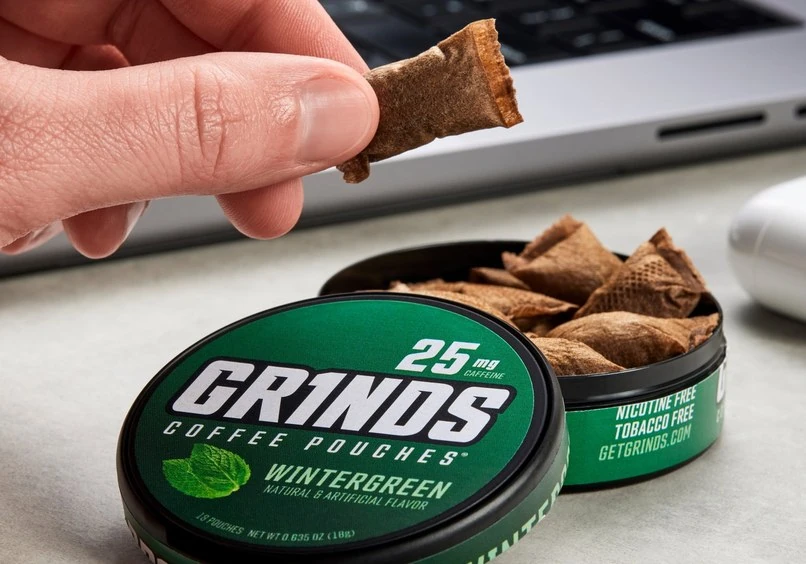
A pack-size buy box where the per-can price drops as the pack grows, and subscribers save another 10%.
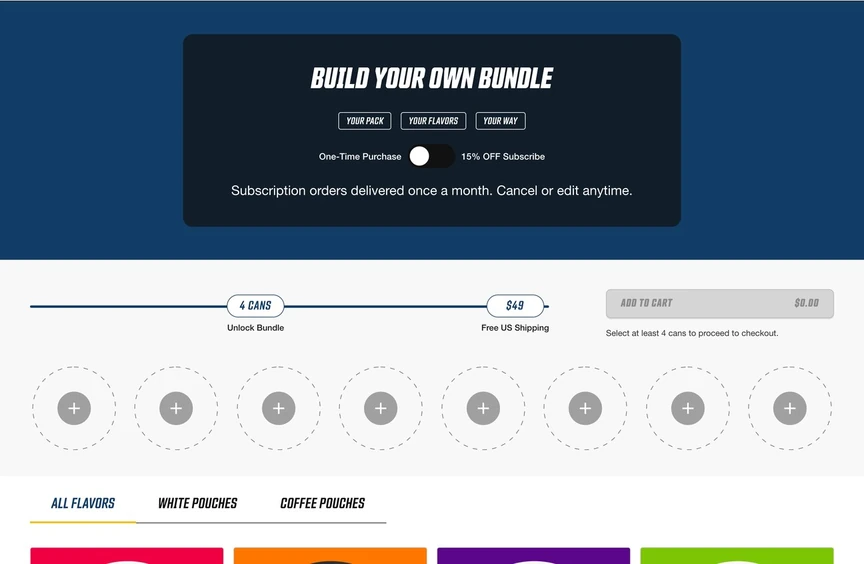
A custom build-your-own bundle flow where shoppers mix their favorite flavors into one pack.
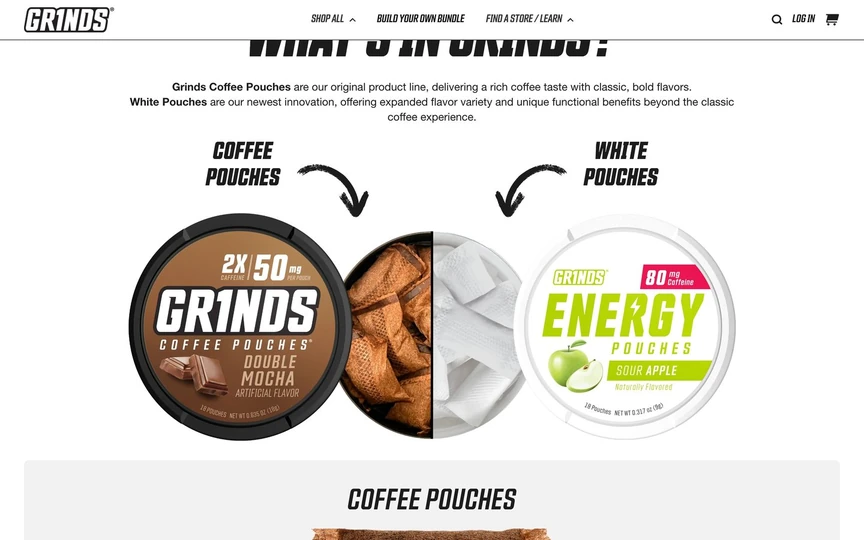
Custom, brand-aligned product feature sections to address product selling points and benefits.

Patrick Pezet
CEO, Grinds
“We’ve worked with SplitBase on a bunch of projects (landing pages, CRO, site redesign and navigation), and they’ve crushed it every time.”
Elevated brand, with no performance dip after launch
Read the case study →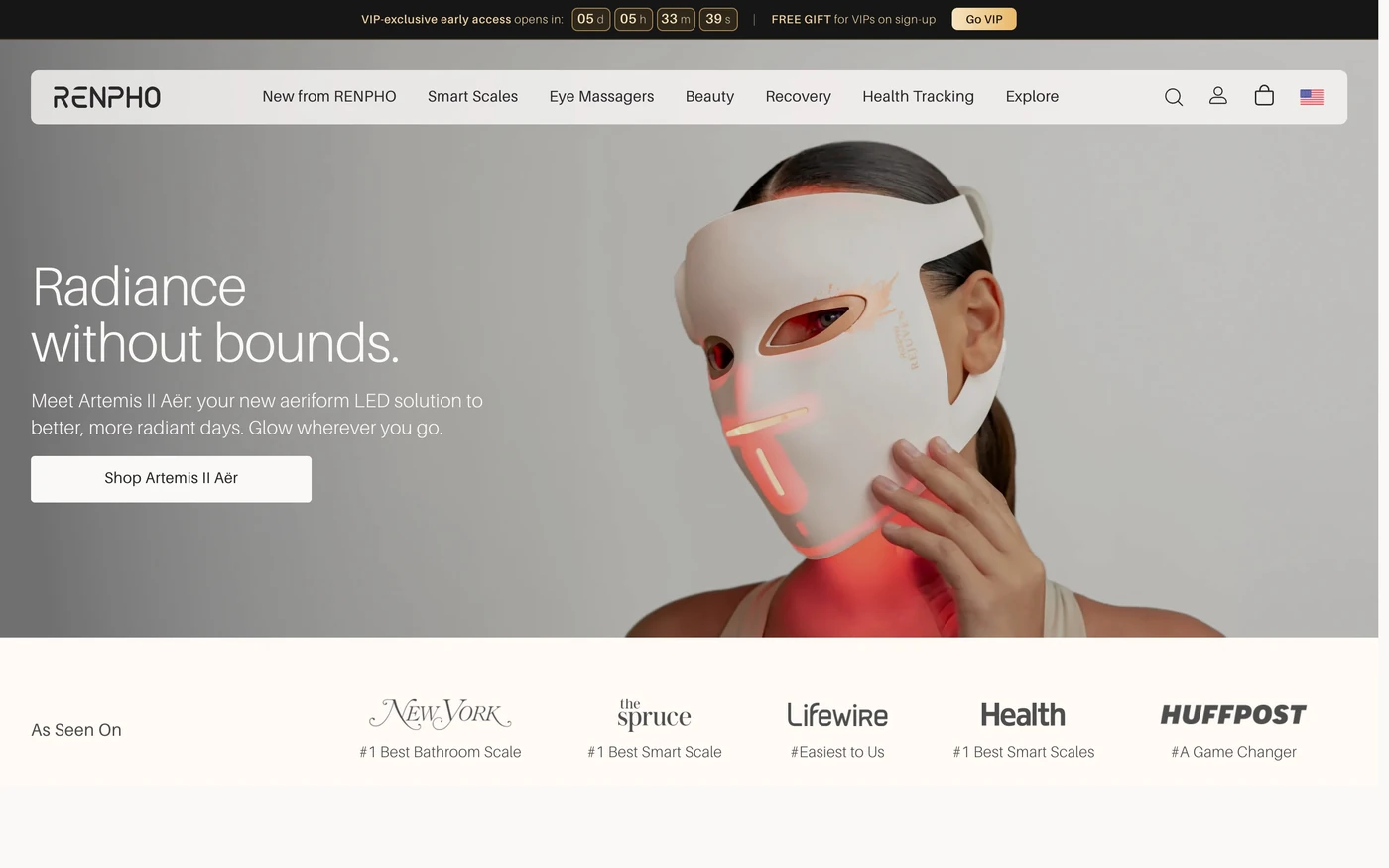
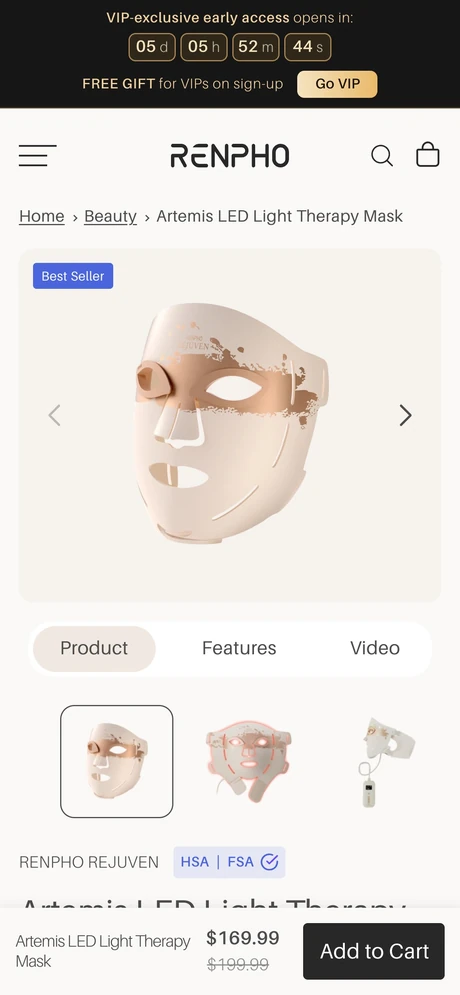

One clear system for dozens of product categories
Renpho is one of the world’s best-known brands for smart scales, massagers and wellness tech. Every product has its own features, so they needed one product page system that could flex for all of them and still convert.
One master product page template
Flexible product feature boxes for each product type
Problem-first storytelling from customer data

Modular benefit sections that adapt to each product’s features, so one template can tell every product’s story.

Unique collection pages for different product lines that helps customers find the right product for their needs.
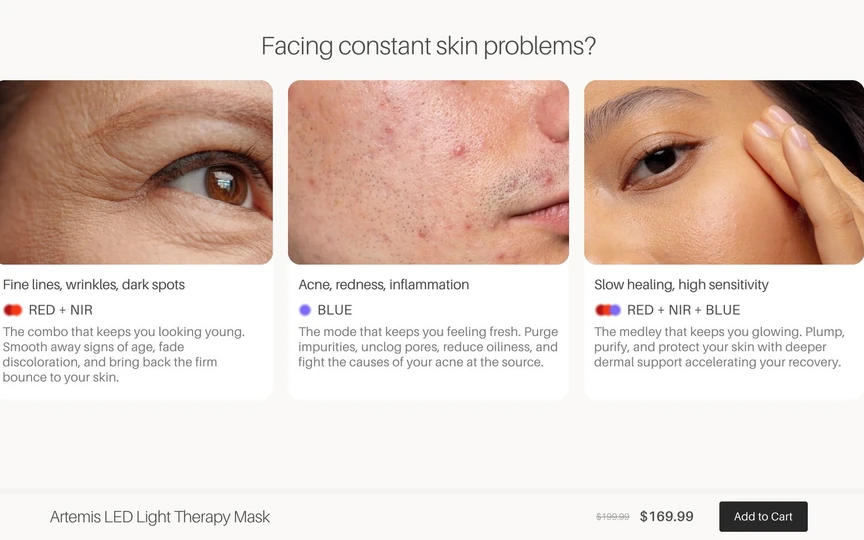
Problem-first education to increase adds to cart and conversions.
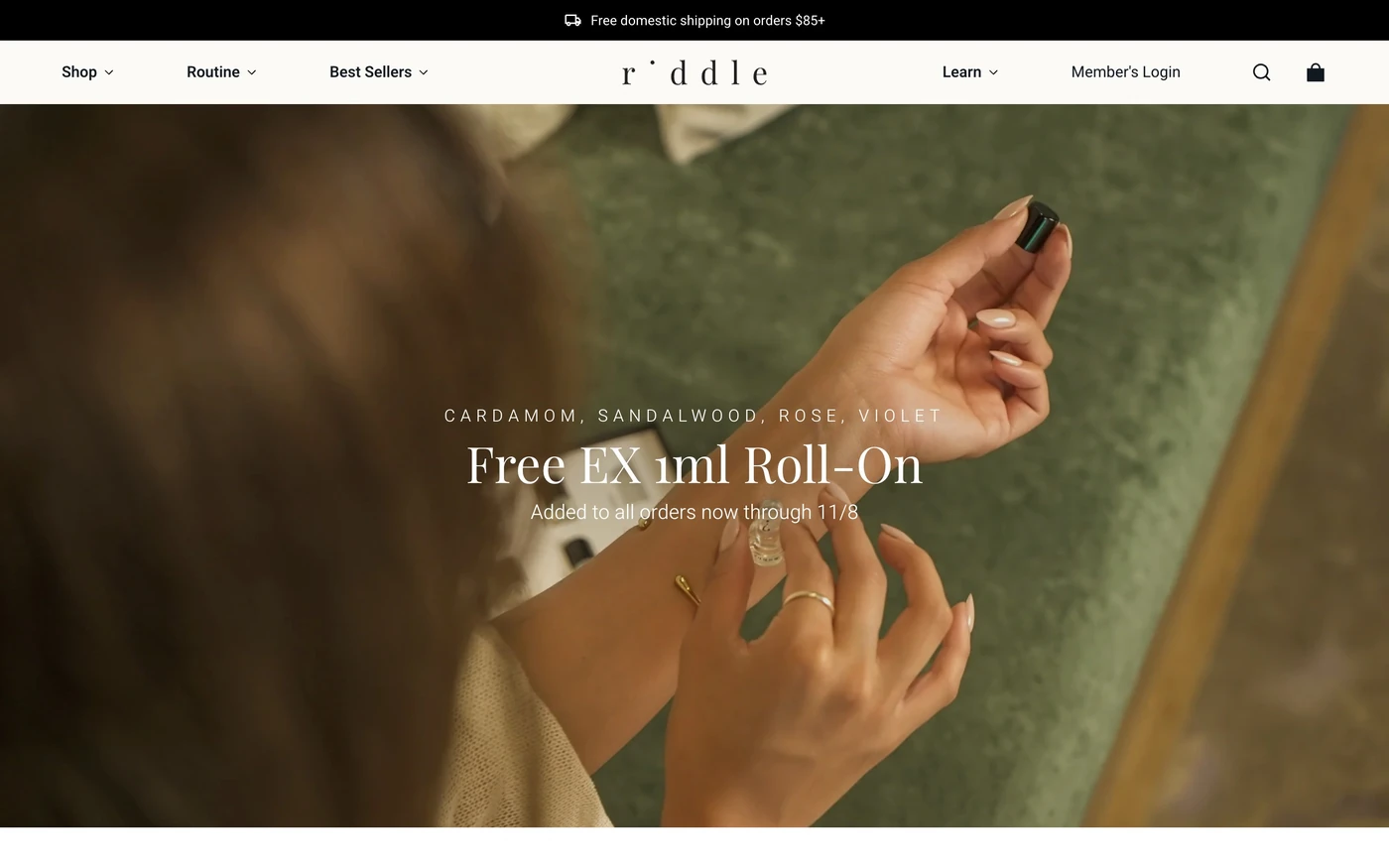
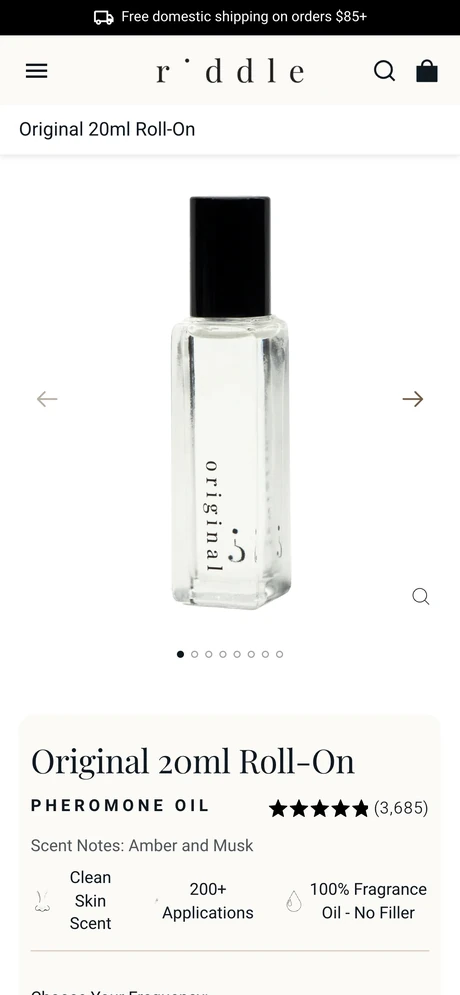

A routine-based website to convert new and existing shoppers
The layering system confused first-time shoppers. We tested key elements on the old site first, then carried every winner into the redesign.
“How to Riddle” routine on every product page
Offer testing to accelerate new customer acquisition
$2.4M+ annual impact
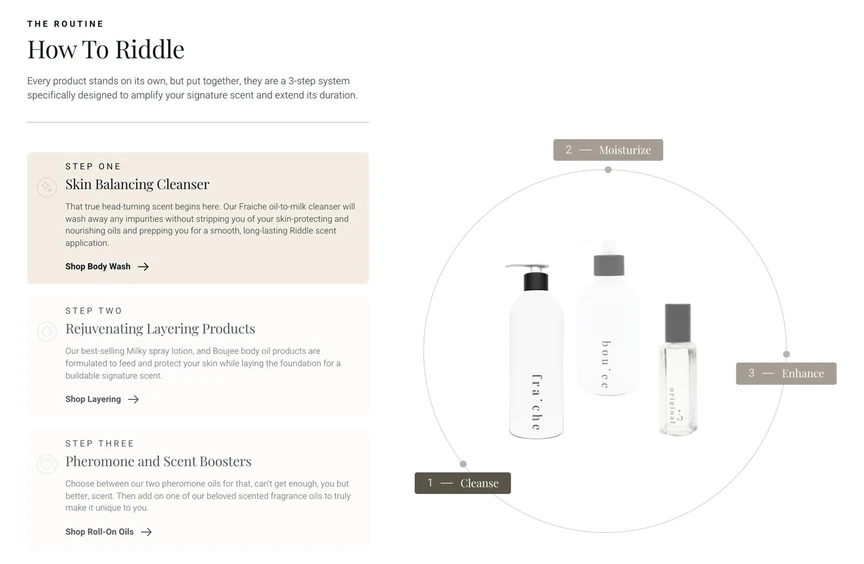
The How to Riddle routine, explaining the 3-step layering system on every product page.
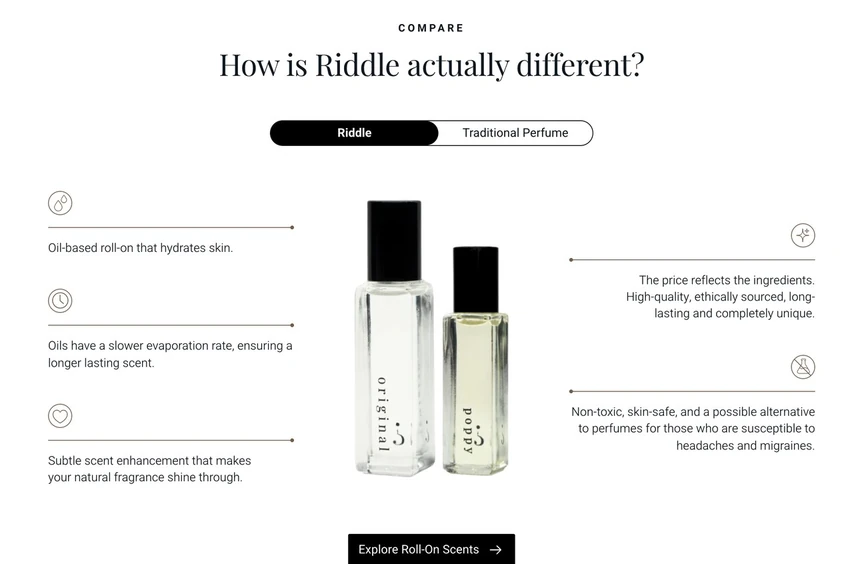
A Riddle vs. traditional perfume comparison that shows how body-chemistry oils differ from alcohol-based sprays.
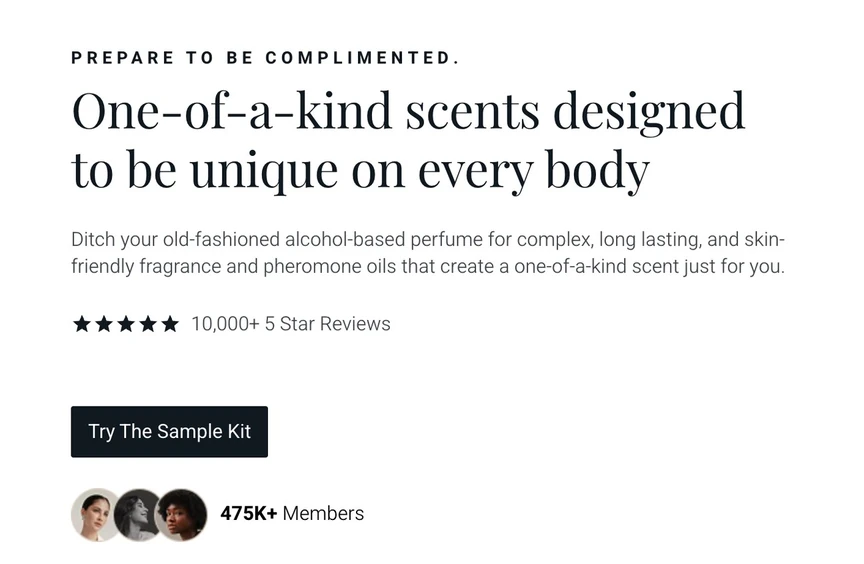
A sample-kit-first offer that gives shoppers who can’t smell the product online a low-risk first order.

Chelsea Voge-Venzke
Founder & CEO, Riddle
“They redesigned our website using insights from the testing we conducted together, resulting in a site that is both visually beautiful and highly functional for our customers.”
7x ROI in the first three months and $2.4M+ annual impact from CRO and the redesign
Read the case study →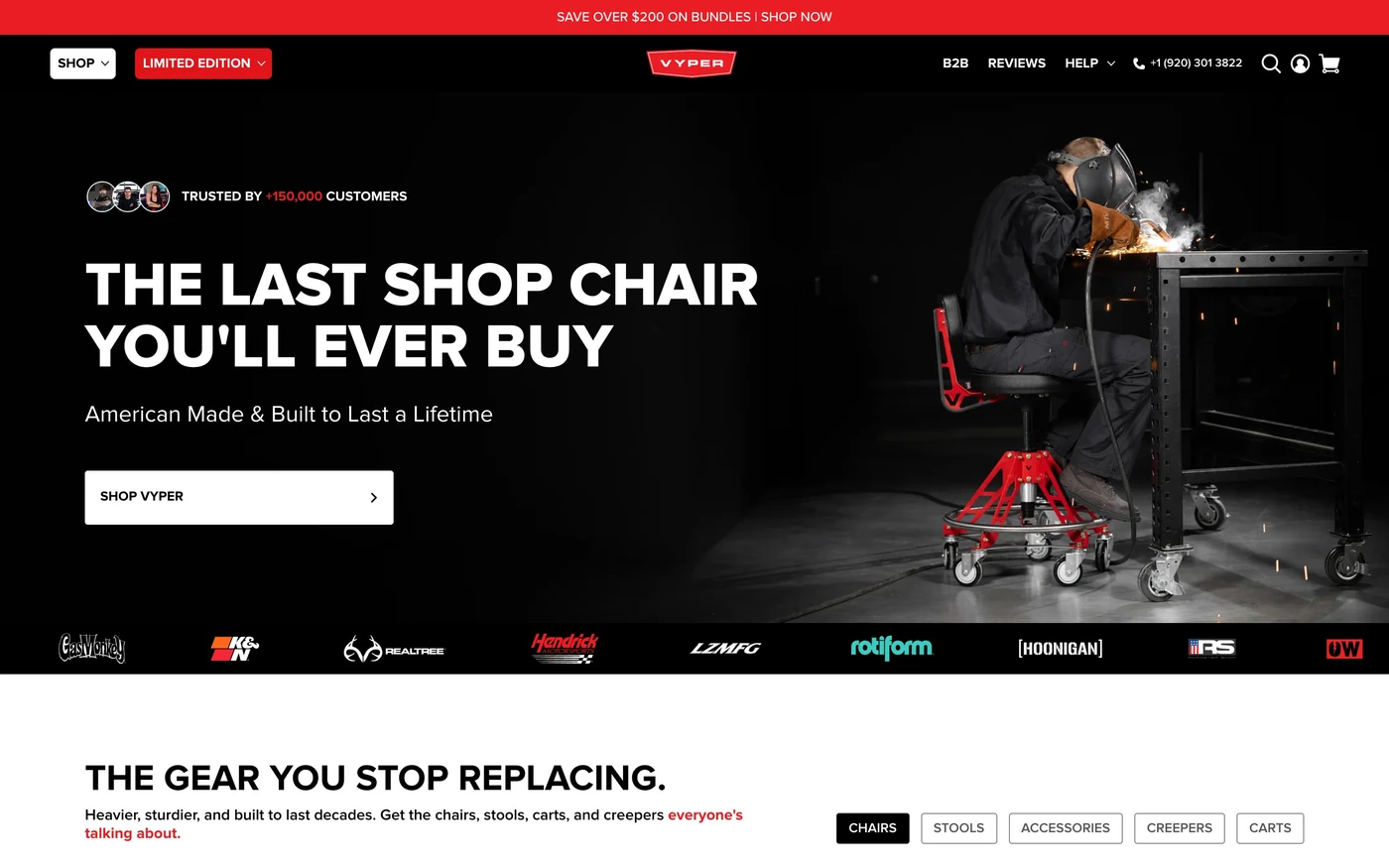
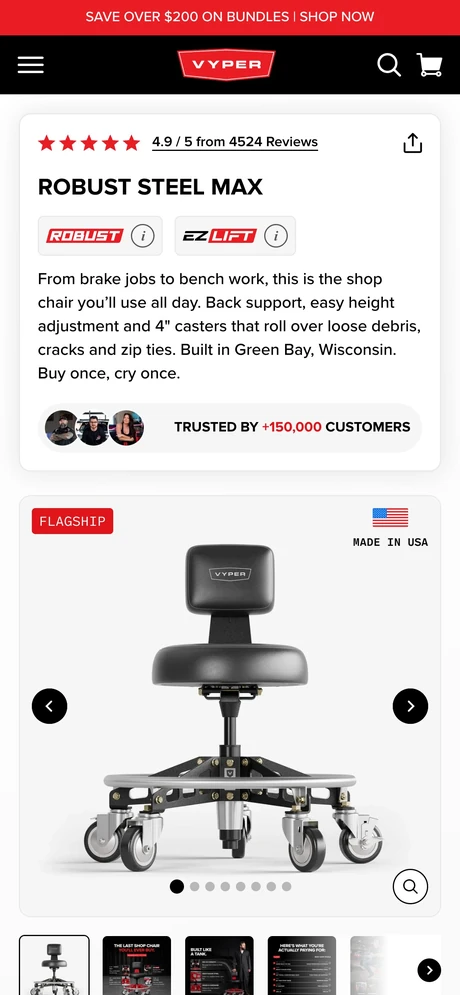

A site that makes a $625 shop chair an easy yes
Vyper isn’t building a brand that sells shop chairs, they’re building a lifestyle brand. The website had to convey the brand’s story and identity, while making their products the clear choice for shoppers.
Problem-to-solution storytelling
Side-by-side chair comparisons
Proof from the pros, in photos and video
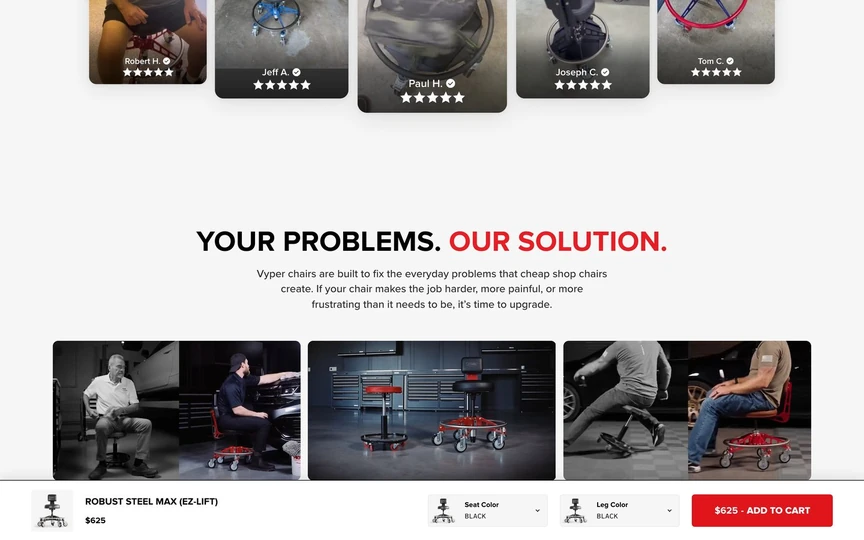
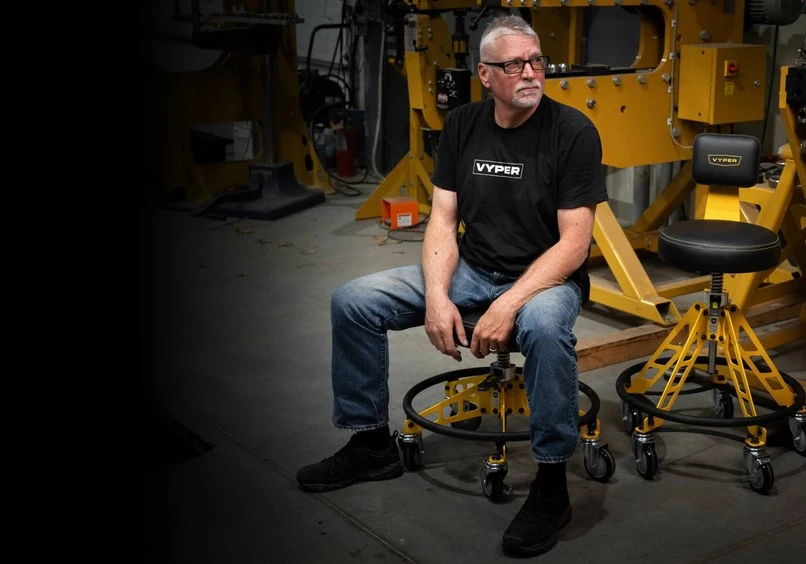
A “Your problems, our solution” section that starts with the back pain and broken casters every mechanic knows.
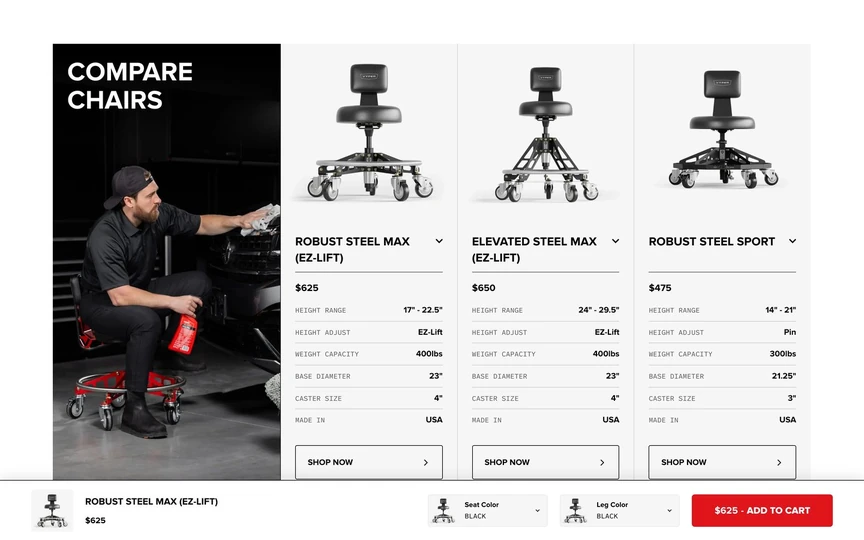
Side-by-side chair comparisons of heights, lifts and specs, so buyers pick the right model.
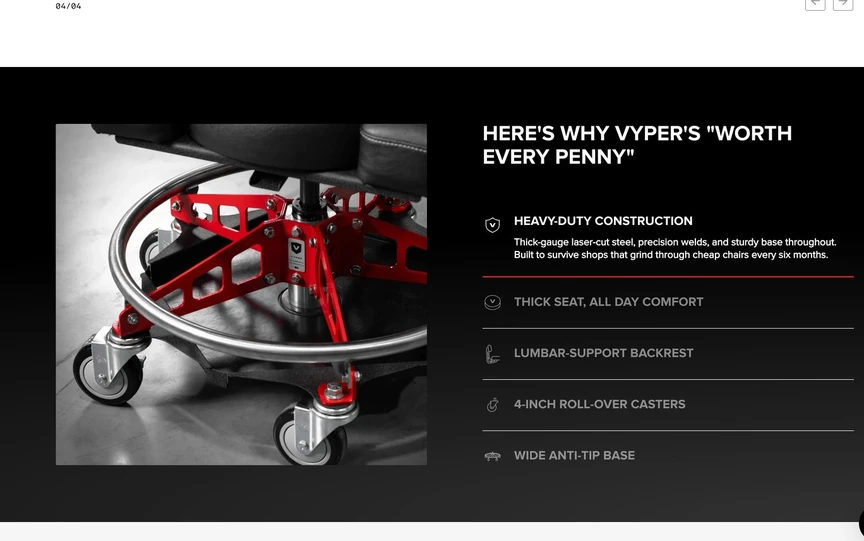
A CRO-led product page strategy that plans the order and content of every section to help more shoppers convert.

A cleaner, faster store that lifted conversion and AOV
Mobile shoppers needed four taps to reach a best-seller, and bare PDPs and tech conflicts hurt site performance. Customer research became the backbone of their redesign.
Bundle-first strategy that increased AOV
Product education to clarify the brand’s value propositions and benefits
Re-imagined navigation based on how their customers shopped
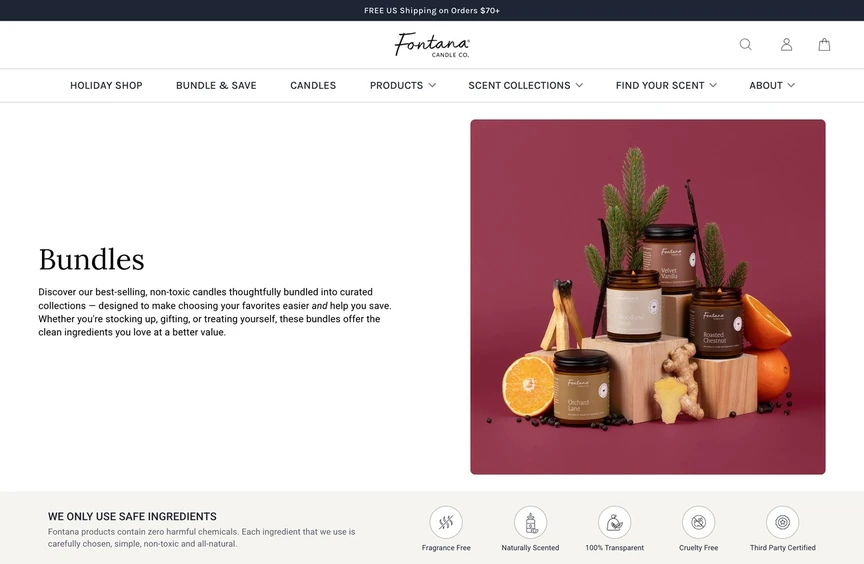
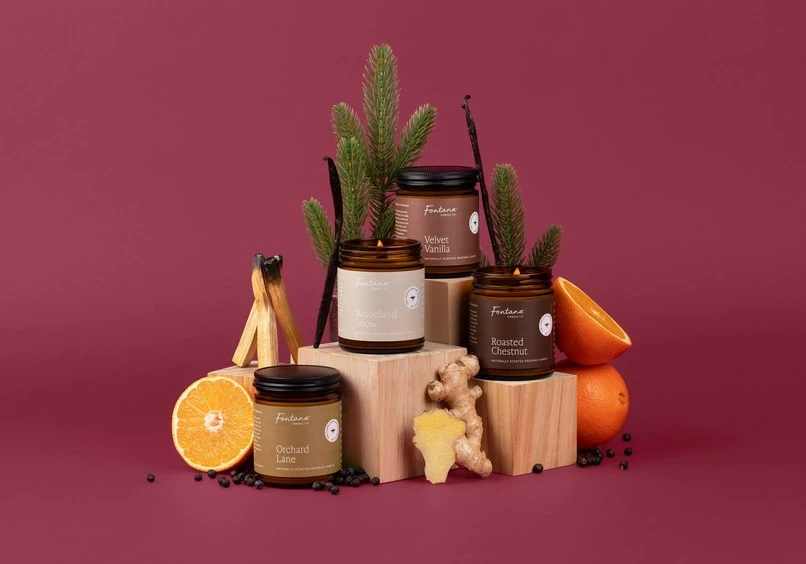
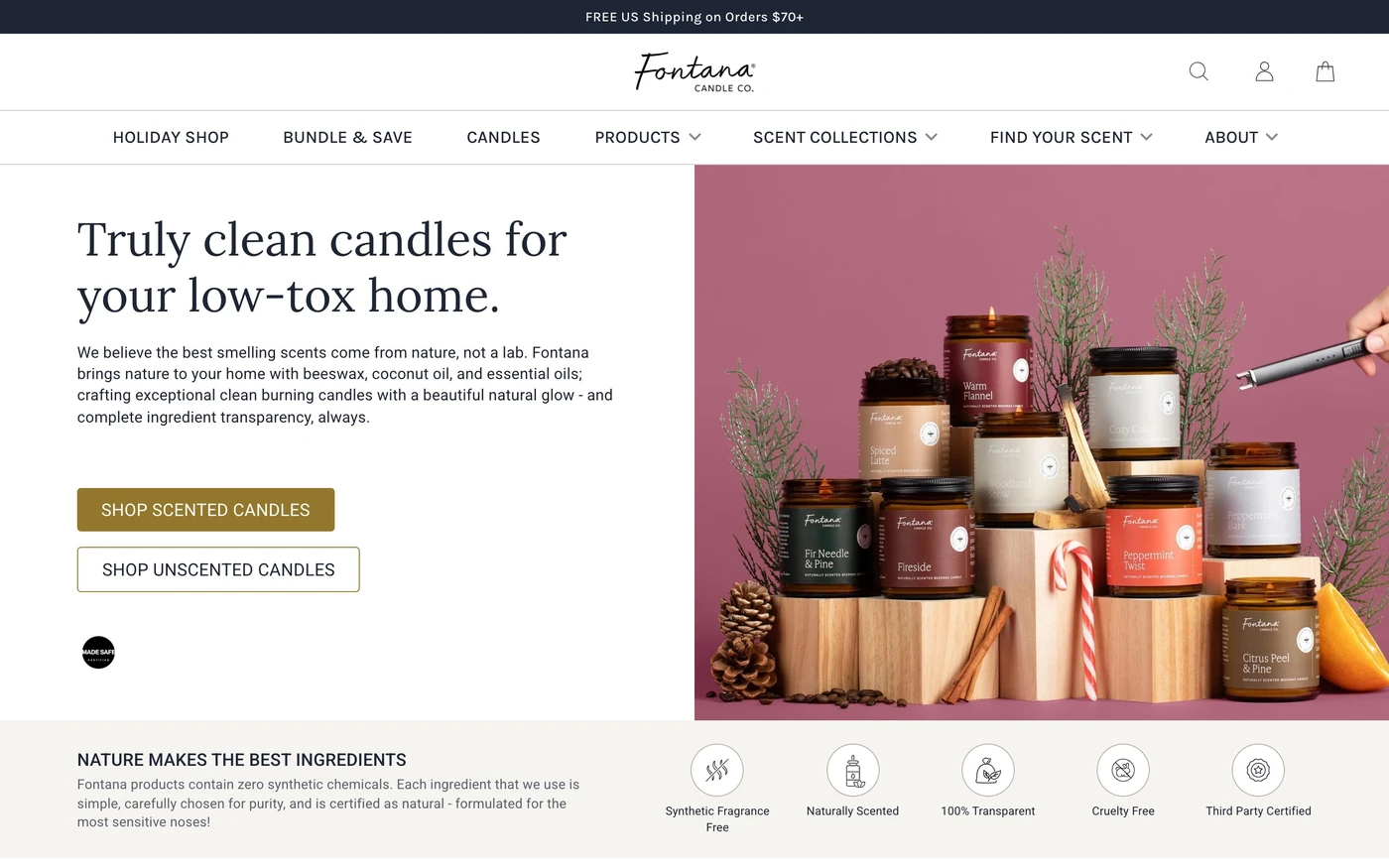
A bundle-forward strategy based on the candles shoppers already bought together, helping raise average order value by $8.25.

Navigation built on analytics and heatmap data, so shoppers find the right candle in one or two taps instead of four.
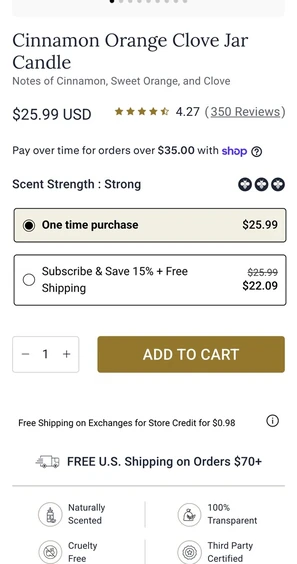
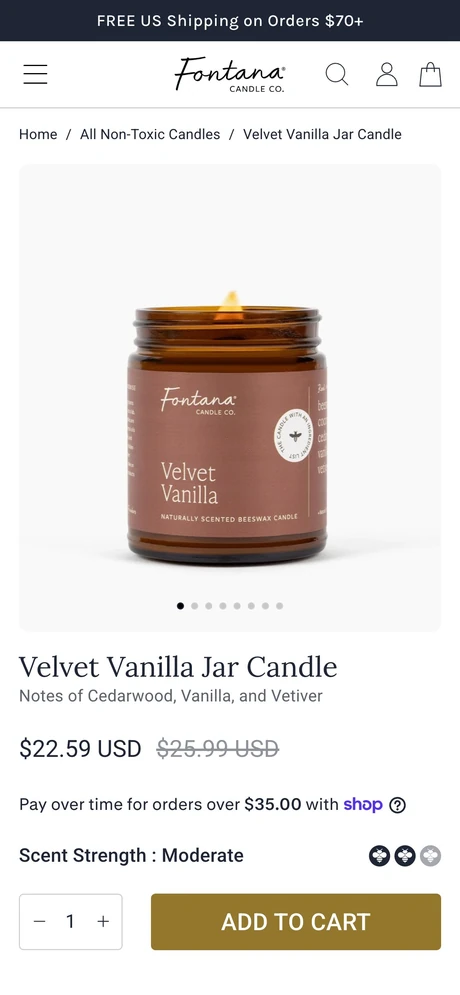
Product pages built around shoppers’ main purchase triggers, with scent strength, notes and clean ingredients right in the buy box.

Katie Roering
Co-Founder, Fontana Candle Co.
“Thanks to SplitBase, we now have a website that not only supports our growth but also delivers a seamless, enjoyable shopping experience for our customers.”
+11.3% conversion rate (4.88% to 5.43%) and +$8.25 average order value
Read the case study →Our redesign process vs. a typical design agency’s
Most of what makes a redesign perform happens before anyone opens Figma. Our methodology heavily focuses on a conversion optimization strategy as the backbone of your redesign.

16 steps, from research to testing after launch

Research
Brief, goals and your current numbers
Analytics review: what converts today and what doesn’t
Heatmaps and session recordings on your key pages
Usability tests on your current site
On-site polls on shoppers’ questions and objections
Customer surveys and review mining
Competitor and positioning review

Strategy
Keep, remove, change, add and test decisions for every page
Site map, navigation and wireframes
Conversion copy from voice-of-customer research

Creative direction and design
Mood board approval
Desktop and mobile design, homepage and product page first

Validation
Usability tests, card sorting or A/B tests on your current site, wherever your timeline allows

Build and launch
A custom Shopify theme, QA’d on every device, or Figma file delivered to your dev team
Launch, performance is measured against your old baseline

After launch
Keep A/B testing for ongoing revenue lifts
Typical design agency
7 steps, from brief to launch

Kickoff
Brief
Creative brainstorming and personas

Design
Wireframes
Mood board
Adding content
Final design

Build and launch
Build and launch
What a typical agency skips
Customer research and analytics on your current site
Keep, remove, change and test decisions from quant & qual data
Validation before launch
Testing after launch

Three ways to redesign with SplitBase
CRO first, then rebuild
Start with a testing program on your current site. When the tests hit the limits of your theme, we rebuild on what they proved.
How our biggest redesigns started, including Transparent Labs and Riddle.
Full redesign
We research, design, build and launch your new Shopify site, then keep testing on top of it.
Best when you’re replatforming, rebranding or have outgrown your theme.
Redesign guidance
Your designers or agency build the site. We bring the research, strategy, design reviews and the tests that de-risk launch.
Best when you have an in-house team or a redesign already underway.
After launch, most clients stay on a CRO program so the new site keeps improving.

Vanessa Roberts
COO, Primal Pit Paste
“We had zero dips in conversion rates after re-launching, and we made more sales from day one. The data we learned became our go-to resource for guiding our new direction.”
+21% conversion rate

Angela L.
Pellu (formerly Nudu)
“How the design would communicate our brand value and premium feel was probably one of my biggest concerns in the beginning, but it was not an issue at all. And with the improvements we saw, they get it.”
+191% mobile add-to-cart rate

Alice Millard
Marketing, Haute Hijab
“We’re making smarter decisions about why we are embarking on any new project. Our new initiatives are based on research, data and educated insights.”
+26.8% conversion rate
Do you need a redesign, or better tests?
“If the goal is fixing performance, most brands should be A/B testing and elevating the site inside a testing program. A redesign makes sense for a rebrand, a perception problem, or a site that’s fallen behind what the market expects.”
Raphael Paulin-Daigle, Founder of SplitBase

A redesign makes sense when

You’ve hit a plateau and the site can’t carry the brand to the next stage

You’re replatforming to Shopify or rebranding

Your theme is slow and patched, so every new idea is expensive to ship

Your site looks cheaper than your products
Optimize instead when

The site works and only some pages leak revenue

You need results fast, from the site you already have

You need a lift before peak season

You want a new look, but don’t want to risk current performance
What a full redesign includes
Scope depends on your brand: how many page templates you need, how much creative direction, whether we build on your current theme or a new one, and any migration. Tell us where you are and we’ll send a proposal built around your goals.

A dedicated team, led by a CRO strategist

Customer, analytics and competitor research

Redesign strategy, site map and wireframes

Creative direction and conversion copywriting

Desktop and mobile design, in a Figma design system

A fully custom Shopify theme, QA’d on every device

Tracking checks and a 90-day testing roadmap
Website redesign questions, answered
Can’t find yours? Ask us in the proposal form.
What does an ecommerce website redesign agency do?
An ecommerce website redesign agency rebuilds your store’s design, structure and code. SplitBase is a CRO-led redesign agency for $10M+ DTC brands on Shopify. A CRO strategist leads every project: we research your customers and current site, decide what to keep, change and test, then design, build and launch the new site, and keep testing after it goes live.
How much does an ecommerce website redesign cost?
Every redesign is priced to its scope, so we don’t publish prices. What drives it: how many unique page templates you need, how much creative direction the brand needs, whether we build on your current theme or a new one, and any migration. Fill out the proposal form and we’ll send one for your site.
How long does a Shopify website redesign take?
It depends on how many templates you need, how much creative direction the brand needs, any migration, and your launch date. We plan the phases around your date in the proposal. Creative direction and design usually take longer than the build.
Will a redesign hurt our conversion rate?
It can, because a redesign changes everything at once. We lower the risk by keeping what already converts, validating the big decisions before launch wherever your timeline allows (usability tests, card sorting, A/B tests on your current site), leaving price and offer changes out of the launch, and measuring the new site against your old baseline.
Should we redesign or optimize our current site?
If the site works and only some pages leak revenue, optimize: it’s faster and cheaper. Redesign when you’ve hit a plateau, you’re replatforming or rebranding, or your theme makes every change slow and expensive. Tell us where you are in the proposal form and we’ll tell you which one you need.
Do you build custom Shopify themes or use templates?
Fully custom. We start from a Shopify-approved base theme for speed and stability, so it never looks like a template, and build one flexible product page template your team can edit without a developer.
Can you move us to Shopify from Magento, BigCommerce or Salesforce Commerce Cloud?
Yes. A replatform is the best moment for a redesign, since the site is being rebuilt anyway. Primal Pit Paste moved from BigCommerce to Shopify Plus with our redesign guidance and saw a 21% conversion lift.
Will a redesign hurt our SEO?
Not the way a replatform can. On Shopify, a redesign is a new theme: your product, collection and page URLs, titles and meta descriptions live in Shopify, not in the theme, so they stay as they are. What changes is the page itself, so we keep the content and headings your key pages rank for, and we strip out the app bloat that slows stores down. Transparent Labs’ rebuild made the site 40% faster. If you’re also moving to Shopify from another platform, your URLs will change, so we plan that part with your SEO team.
Do you do branding, logos or photography?
No. We design websites for brands, including brands in the middle of a rebrand, using your brand guidelines and imagery. Imagery makes or breaks a site, so we’ll tell you early if you need new photography.
Can you work with our in-house designers or design agency?
Yes. With redesign guidance, your team or agency designs and builds, and we bring the research, strategy, design reviews and tests. We’ve worked this way with Mackage, Roots of Fight and Primal Pit Paste.
Another agency already designed our new site. Can you test it before launch?
Yes. We review the design against your customer research and data, and depending on your timeline, validate the riskiest changes with usability tests or A/B tests on your current site before you switch over.
What happens after launch?
That’s when the real work starts. We measure the new site against your old baseline, and most clients keep a CRO program running, about four tests a month, starting with the changes we kept out of launch.
How do you measure whether a redesign worked?
Revenue per visitor first, then conversion rate, average order value, subscription rate and add-to-cart rate by device, compared with the same period before launch.
Who is a SplitBase redesign for?
DTC brands doing $10M+ a year on Shopify or Shopify Plus, or moving to it. Most are in supplements, beauty, food and beverage, home and lifestyle. If the site works and only some pages leak revenue, a CRO program on your current site is usually the better first step.
Planning a redesign? Get a second opinion first.
Tell us what you’re planning. On a free 30-minute call, we’ll give you an honest second opinion, then propose a few ways to move forward.